
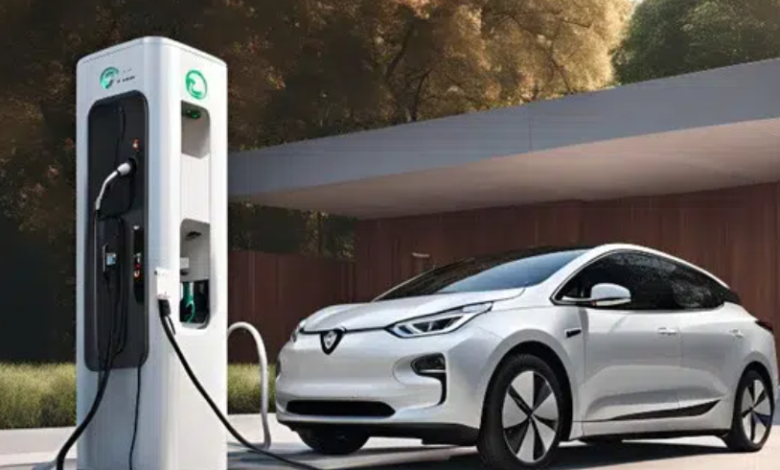
As electric vehicles (EVs) become more prevalent globally, the need for faster and more efficient charging solutions has never been more critical. Enter the EV Ultra Fast Charger — a technological advancement that promises to dramatically reduce charging times, enhance convenience, and support the widespread adoption of electric mobility.
What is an EV Ultra Fast Charger?
An EV Ultra Fast Charger is a high-capacity charging station designed to deliver significantly higher power to electric vehicles compared to standard chargers. Unlike Level 1 or Level 2 chargers, which typically take several hours to fully charge a vehicle, ultra-fast chargers can replenish an EV battery up to 80% in as little as 15–30 minutes, depending on the vehicle’s battery capacity and the charger’s output.
These chargers operate at power levels ranging from 150 kW to over 350 kW, making them suitable for long-distance travel, commercial fleets, and urban charging hubs. The primary goal of these chargers is to reduce “charging anxiety” by enabling drivers to quickly get back on the road without lengthy delays.
See also: The Reusable Sticker Book: A Smart Alternative to Disposable Play
How Does an EV Ultra Fast Charger Work?
An EV Ultra Fast Charger works by delivering direct current (DC) electricity directly to the vehicle’s battery, bypassing the onboard charger that limits charging speed in slower systems. Key components include:
- High-capacity power converters: Convert alternating current (AC) from the grid into high-voltage DC suitable for rapid charging.
- Cooling systems: Maintain optimal temperature of the charger and battery during high-speed energy transfer.
- Communication protocols: Ensure safe interaction between the charger and the EV, regulating power delivery based on the battery’s condition.
This technology enables vehicles to handle much higher charging currents safely, which translates to ultra-fast charging times.
Benefits of EV Ultra Fast Chargers
- Reduced Charging Time: The most obvious advantage is the speed — drivers can regain 80% battery in under half an hour, perfect for road trips.
- Convenience: Less waiting means more freedom for EV owners and greater practicality for commercial fleets.
- Battery Health Management: Modern ultra-fast chargers adjust the power flow to prevent battery overheating and prolong lifespan.
- Support for Long-Distance Travel: Ideal for highways and travel corridors, allowing EV drivers to cover long distances without extended stops.
- Environmental Impact: By promoting faster adoption of EVs, ultra-fast chargers indirectly reduce greenhouse gas emissions and reliance on fossil fuels.
Applications of EV Ultra Fast Chargers
- Highways and Intercity Routes: Enable long-distance travel with minimal charging stops.
- Urban Hubs: Support rapid turnaround for taxis, delivery vehicles, and shared mobility fleets.
- Commercial and Industrial Locations: Reduce downtime for logistics and freight EVs, improving operational efficiency.
- Residential Complexes: Some large residential areas are integrating ultra-fast chargers to cater to high-demand EV users.
Challenges in Deployment
Despite their benefits, EV Ultra Fast Chargers face several challenges:
- High Installation Costs: Advanced technology and infrastructure make these chargers expensive to deploy.
- Grid Impact: High-power charging can stress local electricity grids, requiring careful energy management.
- Compatibility Issues: Not all EVs are capable of ultra-fast charging; vehicle manufacturers must support high DC charging rates.
- Thermal Management: Ensuring batteries do not overheat during fast charging requires sophisticated cooling systems.
Future of EV Ultra Fast Charging
The future is promising. Advancements in battery chemistry, grid management, and charging infrastructure are expected to make EV Ultra Fast Chargers more accessible and efficient. Ultra-fast charging networks are set to become as common as traditional fuel stations, supporting the mass adoption of electric mobility.
Automakers are increasingly designing EVs with high-capacity batteries capable of ultra-fast charging, and energy companies are investing in grid enhancements to meet demand. Soon, a 15-minute charge could become the standard, transforming EV convenience forever.
Frequently Asked Questions (FAQs)
Q1: How fast is an EV Ultra Fast Charger compared to standard chargers?
A: Ultra-fast chargers can deliver 150 kW to 350 kW of power, reducing charging time to 15–30 minutes for 80% battery, whereas standard Level 2 chargers typically take 4–8 hours.
Q2: Will ultra-fast charging damage my EV battery?
A: Modern ultra-fast chargers use intelligent power management to protect battery health. While frequent use may slightly affect long-term battery life, it is generally safe for regular use.
Q3: Can all EVs use ultra-fast chargers?
A: No, the vehicle must support high DC charging rates. Most new EVs from leading manufacturers are compatible, but older models may not be.
Q4: Are ultra-fast chargers energy-efficient?
A: Yes, they minimize energy loss by delivering DC power directly to the battery. However, their high demand can affect local grids if not managed properly.
Q5: Where are ultra-fast chargers commonly installed?
A: They are primarily installed along highways, urban hubs, commercial centers, and high-density residential areas to maximize accessibility and convenience.
Conclusion
The EV Ultra Fast Charger is a game-changer in the electric vehicle ecosystem, offering speed, convenience, and practicality for drivers and businesses alike. By drastically reducing charging times, it addresses one of the biggest hurdles to EV adoption — charging anxiety. As technology advances and networks expand, ultra-fast chargers are set to become a cornerstone of sustainable transportation, accelerating the transition to a cleaner, greener future.

